
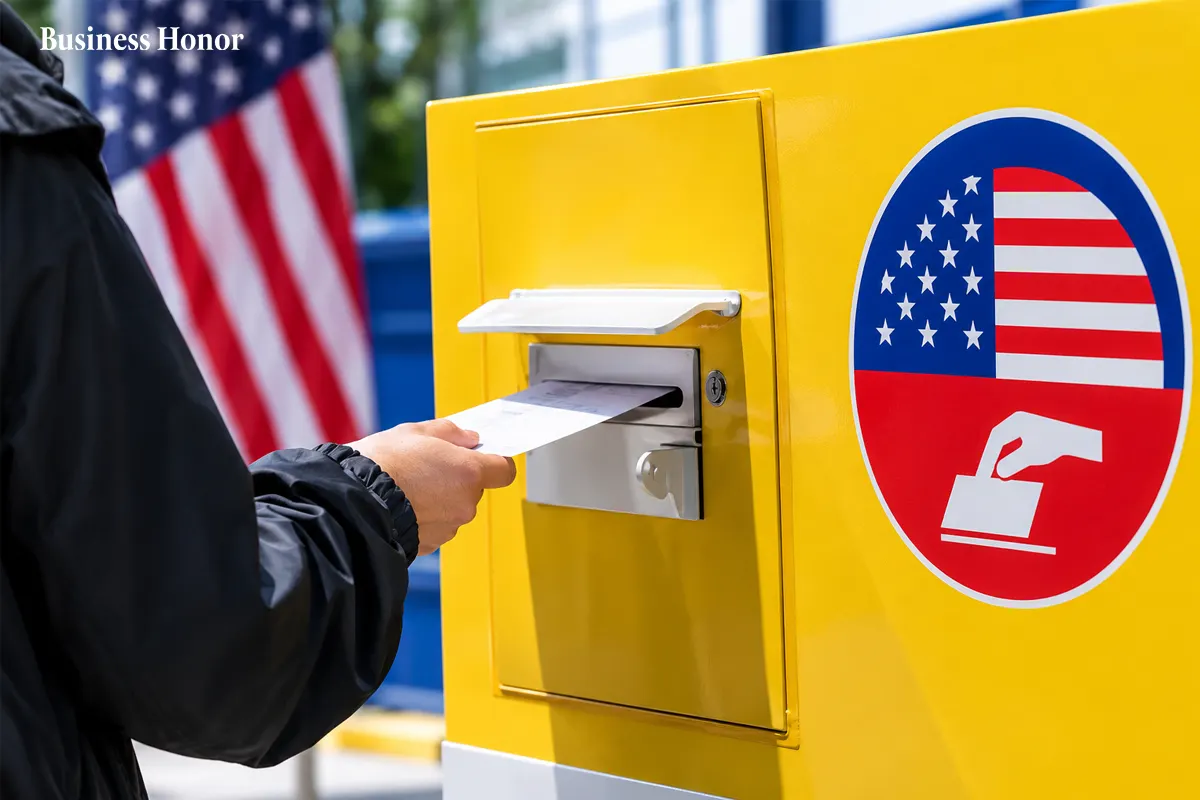
The Trump California Ballot Ruling deals a setback to the DOJ’s election challenge, highlighting legal tensions over voter eligibility and federal authority.
|
Federal judge has rejected the Trump administration’s request to stop California from counting ballots linked to around 20,000 voters whose citizenship the U.S. Department of Justice questions. The Trump California Ballot Ruling delivers another legal setback to the administration’s effort to challenge suspected noncitizen voter registrations ahead of the state’s midterm election.
According to CNN, US District Judge David O. Carter issued the decision on October 28, refusing to grant the Justice Department’s emergency request to segregate the ballots while officials examined voters’ eligibility.
The judge warned that the proposed intervention could “wreak havoc and disrupt the election that is already underway.”
But can unverified allegations justify putting thousands of ballots at risk?
The U.S. Department of Justice based its request on a list of voters it considers likely noncitizens, assembled by matching voter records with other government data. Federal officials argued that the state should investigate the flagged names and prevent potentially unlawful votes from being counted.
California officials challenged the reliability of that information. Preliminary checks by Los Angeles County found that many people on the list did not have active voter registrations. Officials also raised concerns that eligible US citizens could be wrongly flagged.
Carter questioned the need to intervene in the ongoing election process. He wrote that the federal government already has legal tools to prosecute people accused of illegally voting as noncitizens.
Is election security enough to justify such a sweeping intervention?
The judge’s ruling also raised concerns about state authority and voter protection. In his written opinion,
David O. Carter stated, “This request violates longstanding constitutional principles mandating that states have control over their elections.”
The decision follows an earlier setback for the administration. On October 26, a three-judge panel of the Ninth US Circuit Court of Appeals rejected the Justice Department’s emergency appeal, sending the dispute back to the district court.
Could the legal fight deepen divisions over election oversight?
The controversy extends beyond California. The Guardian reported that Bill Essayli, a Trump-appointed interim US attorney, has pursued efforts targeting alleged voter fraud, placing the ballot dispute within a wider debate over federal enforcement and election administration.
Business Honor observes that election integrity depends on both preventing unlawful voting and protecting eligible voters from wrongful exclusion. The Trump California Ballot Ruling sharpens that tension: authorities must investigate credible concerns, but broad allegations alone cannot establish that individual voters are ineligible. Any further legal challenge will test how far federal intervention can go without undermining state election procedures.
FAQs
What is the Trump California Ballot Ruling?
It is Judge David O. Carter’s decision rejecting the Justice Department’s request to set aside ballots linked to approximately 20,000 voters whose citizenship it questioned.
Why did the DOJ challenge California ballots?
The DOJ sought to investigate voters it believed might be noncitizens and prevent potentially unlawful ballots from being counted.
Why did the judge reject the request?
The judge raised concerns about constitutional principles, state control over elections, voter rights and the reliability of the allegations.
Does the ruling prove that noncitizens voted?
No. The case concerns allegations about voter eligibility; the ruling does not establish that the flagged individuals unlawfully voted.
Can the Trump administration appeal the ruling?
The administration may pursue further legal action. The case follows an earlier setback in the Ninth Circuit Court of Appeals.







































.webp)



.webp)



Comments
0 Comments