
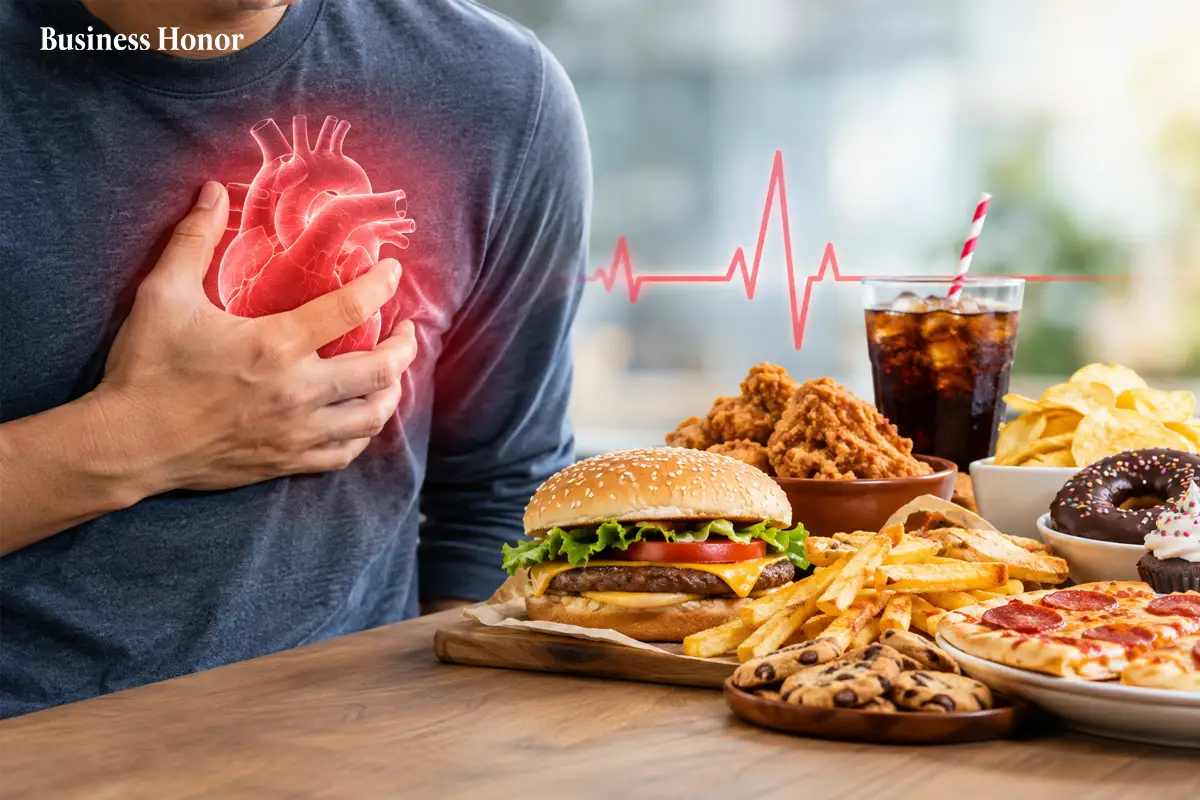
Experts examine how changing food choices may be linked to rising heart diseases and growing health concerns.
|
Changing food habits may be contributing to rising heart diseases and lifestyle-related health risks. To summarize, eating too much high-salt food and consuming unhealthy fats, excess sugar and highly processed foods can increase the risk of high blood pressure, obesity, high blood sugar and high cholesterol. The WHO also points to an unhealthy diet as an important behavioral risk factor for heart disease and stroke.
According to the World Health Organization (WHO), an unhealthy diet is an important risk factor for diseases of the heart and blood vessels. Conversely, eating plenty of fruits, vegetables, whole grains and legumes may help support a healthy heart.
Changing lifestyles and eating habits are raising concerns about public health, Maharashtra Food Commissioner Tukaram Mundhe told an NDTV Yuva discussion. He explained that people’s food choices and eating habits can affect their long-term health. Unhealthy eating habits, along with a sedentary lifestyle and regular consumption of too much salt, sugar, and processed food, can increase the risk of health problems such as hypertension, obesity, and diabetes.
The health impact of eating processed foods too often and in large quantities is of increasing concern. These foods are often high in salt, sugar and unhealthy fats, which can increase the long-term risks of obesity, high blood pressure, and other health problems. Health experts also encourage people to check food labels and make more informed choices, especially when eating packaged and highly processed foods regularly.
“A major contributing factor lies in what we eat and consume. There is a direct correlation here,” said Tukaram Mundhe, Maharashtra Food Commissioner.
The effects of a poor diet are not limited to heart health. Regularly eating too much sugar, unhealthy fats, and highly processed foods can increase the risk of obesity and metabolic problems, which are linked to diabetes. Unhealthy eating habits over the long-term have also been linked to a higher risk of some types of cancer.
Food safety is no longer merely a matter of quality; it is a major public health concern. Regular consumption of contaminated, adulterated, or poor-quality food can increase health risks. Therefore, strong food standards, proper labelling, good hygiene, and stricter monitoring are needed to help consumers make safer and more informed food choices.
Business Honor observes how changing food habits and food safety concerns are shaping public health discussions.
FAQs
Why are heart diseases rising?
Changing food habits, unhealthy diets, and inactive lifestyles can increase heart disease risk.
Can processed foods affect heart health?
Yes, frequent consumption of foods high in salt, sugar, and unhealthy fats may increase health risks.
Can poor diet increase diabetes risk?
Yes, unhealthy eating habits can contribute to obesity and metabolic problems linked to diabetes.
Is poor diet linked to cancer?
Long-term unhealthy dietary patterns have been associated with a higher risk of certain cancers.
Why is food safety important?
Safe food, proper labelling, hygiene, and monitoring can help reduce health risks for consumers.











.webp)



.webp)

.webp)




.webp)


Comments
0 Comments