
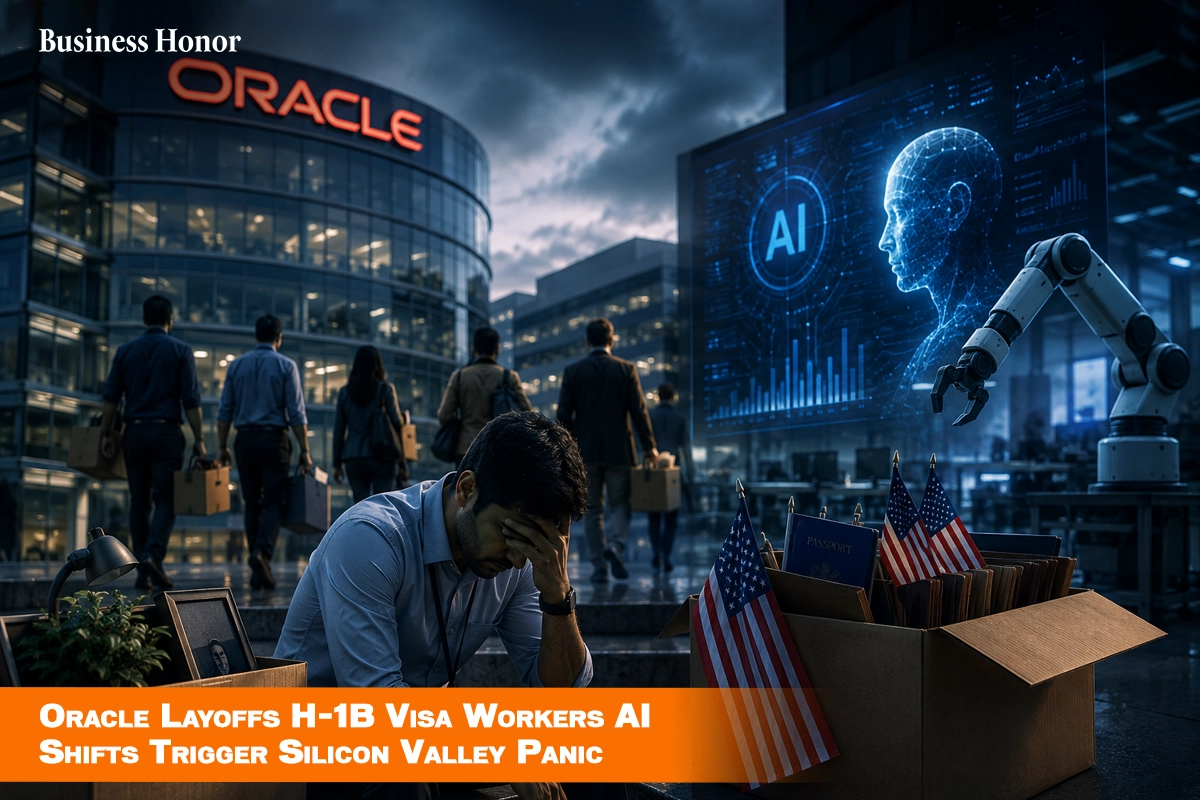
As Oracle layoffs, H-1B visa workers, AI tools shake up tech, foreign engineers face a relentless race to upgrade skills and secure legal U.S. standing.
|
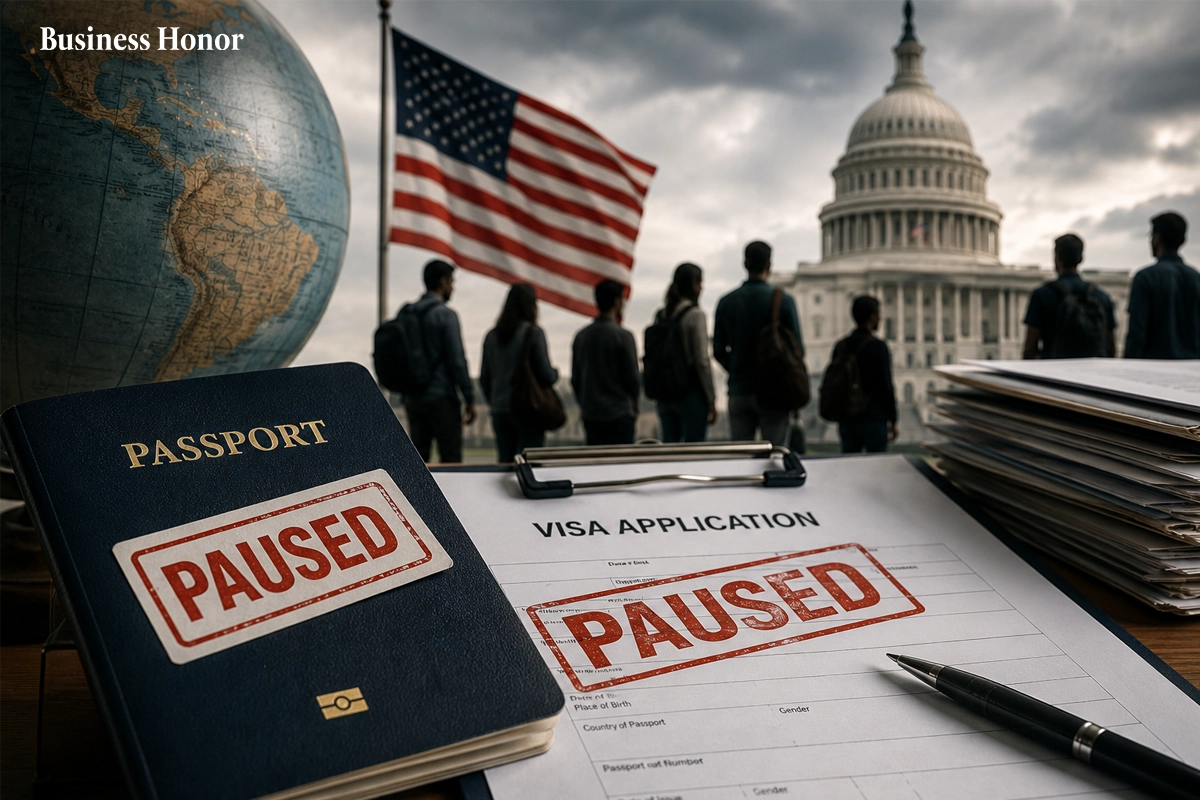
Driven by shifts across Oracle layoffs H-1B visa workers AI demands, the golden age of easy tech careers is over. A powerful double shockwave of mass corporate downsizings and rapid artificial intelligence adoption has rewritten the rules of survival in Silicon Valley. Under strict federal rules, the H-1B 60-day job search after layoffs leaves displaced workers on a ticking clock to find new visa sponsorship or leave the country. Former Oracle senior engineer Ayush Raj Jha lived this pressure firsthand. Despite holding a computer science master’s degree and deep cloud infrastructure experience, watching AI automated tools surge alongside workforce cuts pushed him into permanent career-prep mode.
Nevertheless, is that really the whole story?
To stay employable, Jha spent up to 10 extra hours every week taking specialized courses, mastering automated coding platforms, and contributing to open-source software. Persistent industry volatility and specific Oracle layoffs March H-1B concerns underscored a chilling reality: tech roles can vanish overnight. Seeking safety, Jha eventually leveraged his updated skillset to secure a staff engineer role at a private customer service software firm, betting that private ownership offers shelter from wall street’s quarter-by-quarter job cuts.
While tech conglomerates hail AI for lowering operational costs, their reliance on temporary visa holders exposes a growing vulnerability. When budgets shrink, foreign talent bears the initial brunt. Yet the broader AI impact on software engineering jobs affects everyone. Top internal performance evaluations no longer insulate engineers from sudden replacement.
Corporations argue that AI-assisted workflows boost productivity, allowing leaner teams to build more. However, forcing elite talent into perpetual survival mode threatens genuine innovation. If top international engineers conclude the regulatory stress outweighs the financial reward, American tech dominance could suffer an irreversible brain drain.
Business Honors Examines As intelligent automation spreads across enterprise systems, remaining permanently ready for job interviews is no longer a temporary precaution it is the default requirement for tech survival.









.webp)

.webp)




.webp)


Comments
0 Comments