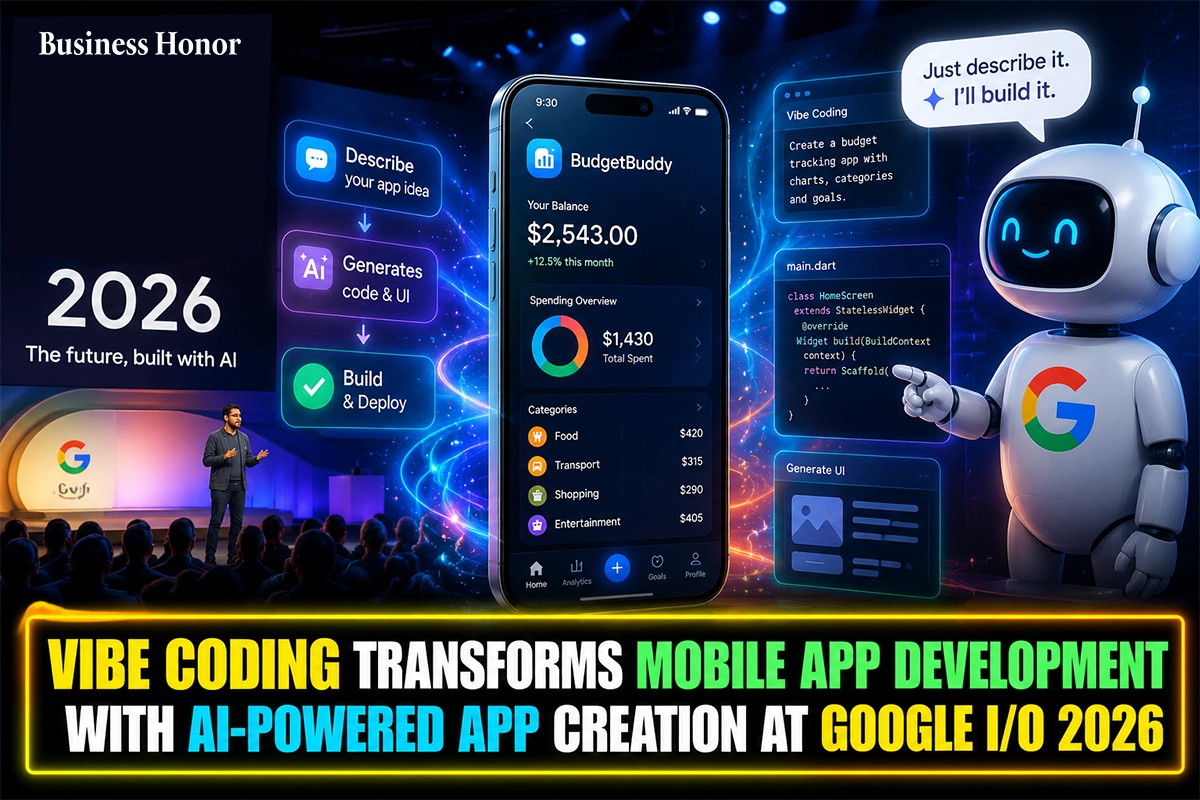
The vibe coding mobile app development trend is reshaping how users create apps, as AI-powered tools from Google enable anyone to build Android applications and widgets using simple prompts, signaling a shift toward generative UI and personalized mobile experiences.
|
The emergence of vibe coding mobile app development is an important turning point in terms of mobile application development and usage. Historically, there has been a need for technical know-how and process when it comes to mobile application development; however, with recent advances in artificial intelligence and natural language processing technology, developing apps can be much easier and even performed by non-technical people.
Vibe Coding Mobile App Development with AI App Creation Tools
During Google I/O in 2026, the company demonstrated new developments in AI Studio that facilitate creating native Android applications by issuing conversation commands to the system. The development of mobile application coding makes it possible to create, run, and distribute the application on a mobile phone within several minutes. The current version of the tool specializes in creating personal utility applications that serve as habit trackers, reminders, or other productivity tools without any coding skills.
This shift is powered by AI systems that interpret user intent and convert it into functional application logic. It significantly reduces development time and opens mobile app creation to a much wider audience, including creators, students, and non-technical users seeking customized solutions.
Mobile App Development Moves toward Generative UI and Personalization
Aside from developing complete applications, there are also AI widgets being launched by Google, which will be helpful in creating applications using the vibe coding technique for smartphones. This involves generating user-specific data, including weather updates, recipes, and even recommendations on tasks, based on what the user wants at a particular time.
It employs the AI technology found within Gemini to generate the user interface elements needed based on the user’s requirements at a certain point. It is just one example of generative UI, an emerging technology whereby the interface is created based on user intention.
Expanding Ecosystem for AI-Driven Mobile App Development
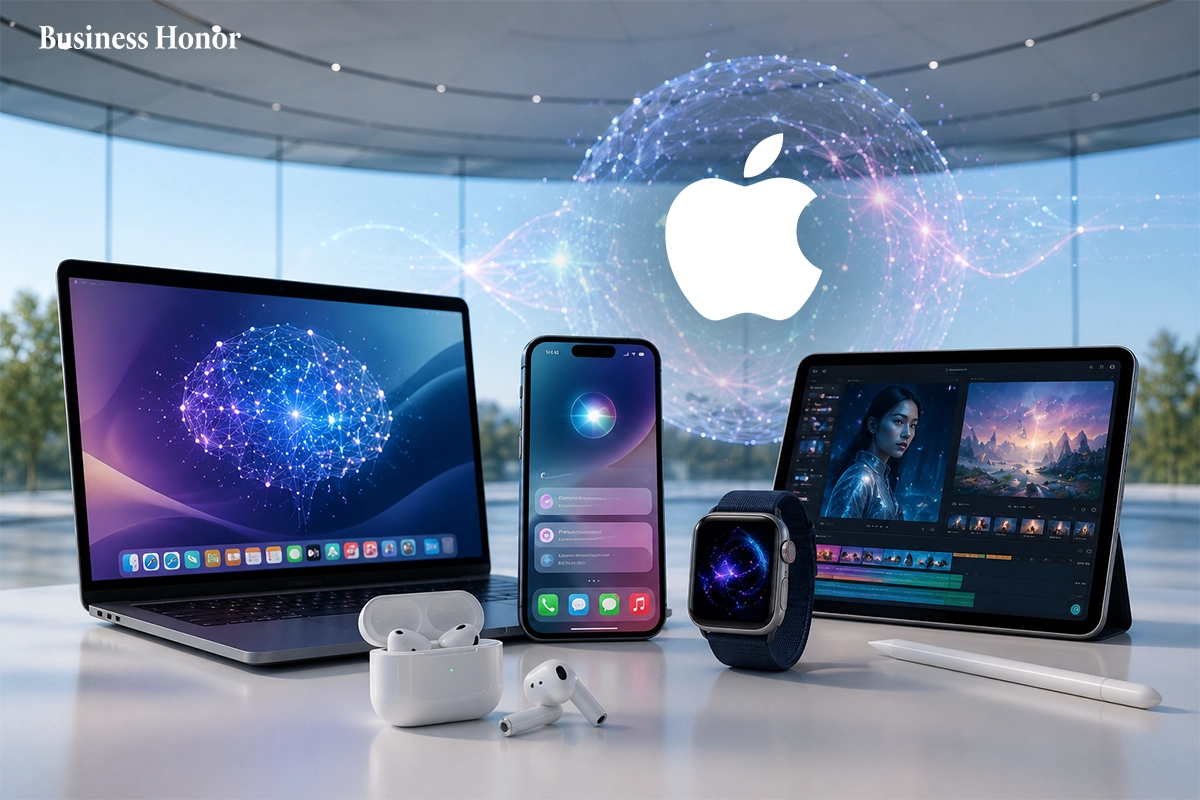
The effects of vibe coding mobile app development are not limited to Google alone. Reports have shown that Apple is looking into implementing prompt-based automation within its Shortcuts framework, which would allow for the execution of automation through natural language prompts. These include actions such as launching applications based on the user’s location and even modifying application behavior based on the device’s connectivity status.
All things considered, there seems to be a promising trend ahead towards more intuitive ways of developing mobile apps and performing automation. Business Honor believes that this represents a landmark step in achieving accessibility in mobile app development via AI.





































.webp)

.webp)



.webp)