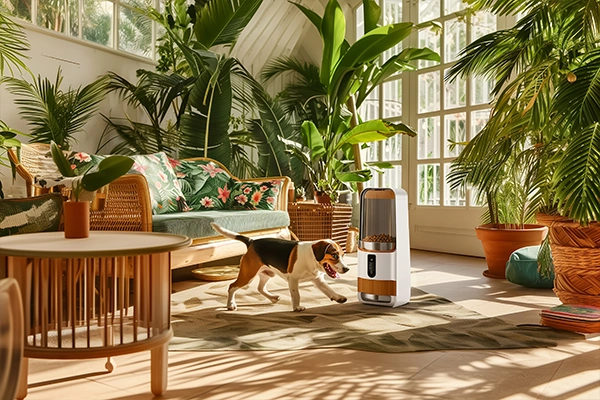
Today, interior designers and everyone working within the design field have begun a complete transformation of the way we relate to our surroundings through designing interiors for homes with sustainability at the core of their foundation. The materials we utilize to fill our homes are not just about how they look or how they function, but rather, the combination of them creates a unified experience that creates a seamless relationship between us as humans to our natural environment, by creating systems that help facilitate the growth and continued evolution of our planet. In addressing the need to conserve, protect and be responsible in our purchasing habits, the collaboration between designers and scientists in the development of new materials has resulted in the creation of spaces that offer us a life-sustaining environment, a place to nurture our spirit through nature, storytelling and create positivity and hope for future generations.
Mycelium and Beyond
Sustainable material development cannot begin until we fundamentally redesign how materials will be sourced. The biomaterial movement takes place through innovative technologies that convert biological materials because they are grown or re-generate quickly. A simple example of this is the use of mycelium, which is the root system of a fungus and creates new possibilities for building materials and construction. We can now imagine building structures with fungi's mycelia networks and create anything from insulation panels to structural wall systems from products from composting toilets that would otherwise end up in landfills. This allows us to grow mycelium products into the design and architectural specifications required by architects and interior designers using the unique properties of mycelium products. In addition, mycelium products are good thermal and acoustic insulators, are natural air distributors in indoor spaces, and are compostable after their useful life, making them a prime example of a circular economy design that mimics the way ecosystems function. Ecovative Design is a reputed manufacturer of sustainable materials with mycelium as core component.
Textile Innovation
Textiles have evolved within sustainable design to no longer simply be seen as passive components, but rather, they have been embraced by the designer's vision to help create environmentally sustainable interiors. Design professionals are starting to produce and work with fabrics manufactured using agricultural waste materials - previously unutilized agricultural products, like pineapples, oranges, and coffee, can now be utilized to produce luxurious and durable fabrics, with an extremely low environmental footprint. Not only do these new types of fabric provide a means of keeping these materials out of landfills, they also provide a source of revenue for agricultural communities. Picture an upholstery item telling the story of regeneration - a couch upholstered with a fabric made from ocean plastics, curtains manufactured from fabrics crafted from agricultural waste sources. These fabrics do not simply serve an aesthetic purpose. They make a powerful statement about our ability to think innovatively about waste and to repurpose waste into a more valuable product. Orange Fiber transforms orange peel waste into luxurious, silk-like fabric.
Carbon-Negative Materials
Carbon-negative building products and systems make up the next generation of sustainable interior design. The majority of today's building materials, whether structural or decorative, are highly carbon-heavy and responsible for a significant percentage of global greenhouse gas emissions. Through innovative research and development, however, there are now many types of newer building materials that sequester more carbon than they emit in production. An example of this type of material is hempcrete - a bio composite made from hemp hurds and lime. Hempcrete offers outstanding thermal and acoustic properties, while sequestering carbon dioxide throughout its production and curing process. The advent of innovative concrete alternatives, which use recycled carbon dioxide as a major component, is another example of this trend. The use of what was once considered an unwanted waste product is helping to create value added building materials. Blue Planet Ltd. Captures industrial carbon dioxide and transforms it into synthetic limestone.
Smart Surfaces
Through smart sustainable technology combined with other innovative materials technologies, smart sustainable technology provides the potential for innovative materials to be incorporated into commercial businesses. Futuristic ideas such as adaptive surfaces, self-healing surfaces, bioluminescent surfaces, and walls with temperature controls, floors with energy production generated from human activity are currently under experimentation, establishing development, creating, testing and being adopted for incorporation into innovative architectural projects. Additionally, as innovative materials and technologies combine to be used, we can expect an entirely new kind of sustainable intelligent space powered by a combination of bio mimicry, and advancements in materials engineering technology in the future. Adaptive Surface Technologies develops advanced smart surface materials and creates innovative coatings that change properties in response to environmental conditions.
Conclusion
As we contemplate the future of interior design, it is obvious that sustainable design practices present an opportunity rather than limitation for designing creatively and innovatively. The materials we select convey stories representing our ongoing efforts to conserve our planet, to innovate using technology, and demonstrating our ability to solve problems creatively. Each sustainable material evokes a sense of accountability to develop design practices that support an interconnected world. Examples include using mycelium wall panels for structural strength; using carbon-negative fabrics as functional textiles; developing surfaces that heal themselves through chemical processes; and utilizing flooring systems that generate energy from motion. These examples reflect a shift in both how we think about our living spaces and the ways that we actually create them.
































.webp)

.webp)




.webp)