
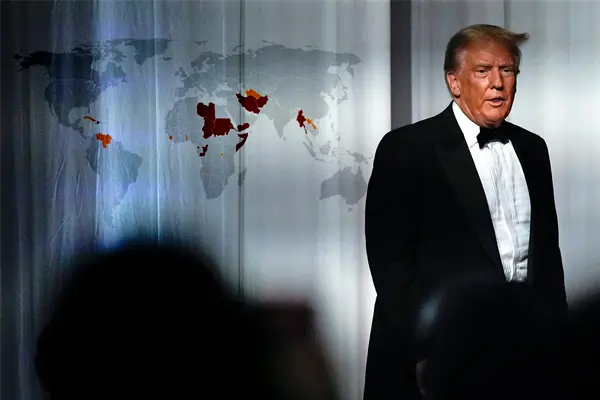
White House cites security gaps as travel restrictions expand under the 2025 proclamation order.
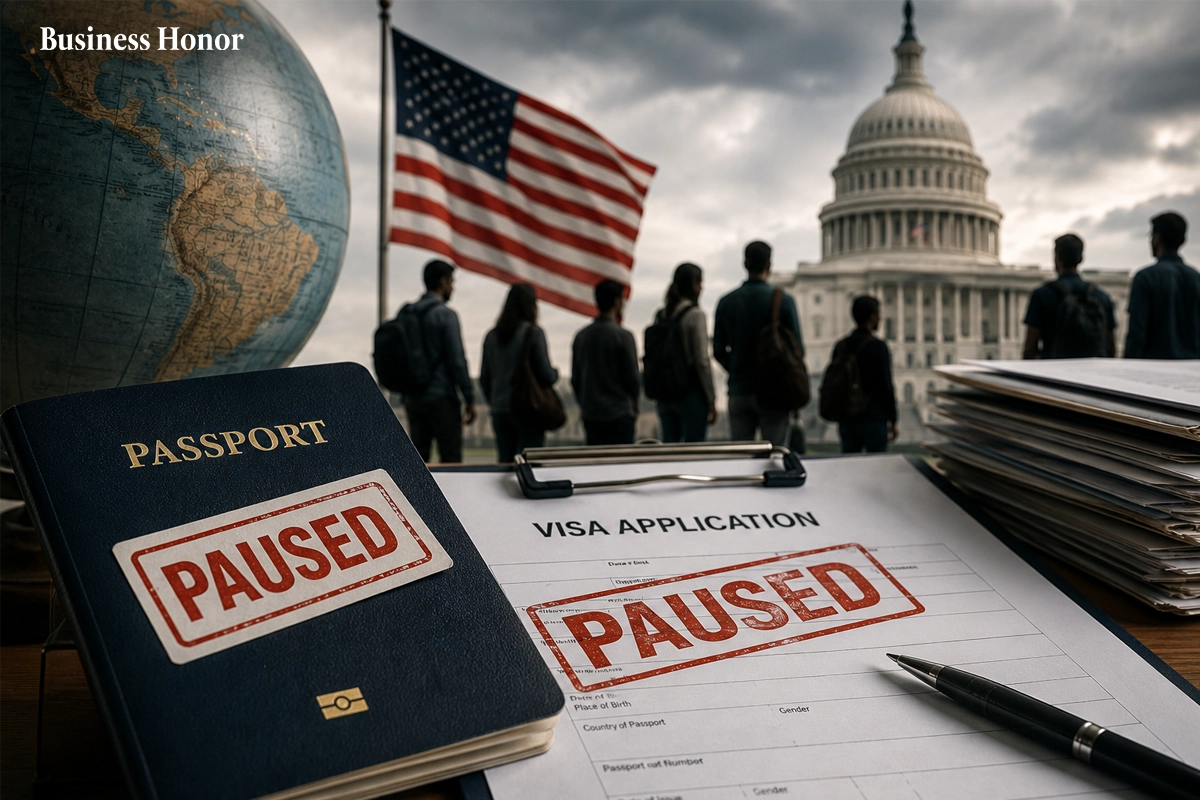
Donald Trump, the President of the United States of America, signed a new proclamation with an extensive list of countries banned from US travel, increasing the number to 39 countries with restricted entry to the U.S as the country undergoes a major shift in travel ban 2025 as announced by the White House.
Seven other countries – Laos, Sierra Leone, Burkina Faso, Mali, Niger, South Sudan, and Syria – were included in the list with complete travel restrictions. Laos and Sierra Leone were previously on a list with partial travel restrictions. In this announcement, partial travel bans were also imposed on 15 other countries, including Nigeria, Tanzania, Senegal, Angola, Zambia, and Zimbabwe.
According to The White House, "The revised list of restrictions on U.S. travel reflects ‘severe deficiencies in screening, vetting, and information-sharing’ among the involved governments." They continued to explain that these restrictions on travel serve to improve national security and border protection.
The proclamation contains provisions for exemptions for lawfully permanent residents, those holding a visa or other specific visa types, as well as those whose entry is deemed to be within the US national interest. There are also travel restrictions imposed on those holding travel documents from the Palestinian Authority, as well as eased restrictions regarding non-immigrant visas for those from Turkmenistan.
"With a recent shooting involving an Afghan citizen that caused a stir in Washington, DC, there have been heightened concerns about immigration policies," said immigration attorney Laura Lichter of Rathod Mohamedbhai LLC. "Citing this event, President Trump decided to pursue stronger immigration policies such as stricter asylum policies and increased deportation."
This newest measure comes on the heels of Trump's first-term travel bans, which had been upheld by the Supreme Court in 2018 and reflect the tough stance taken by the Trump Administration on the issue of immigration and border control.












.webp)






.webp)

