

A new era in automotive production dawns as AI-driven humanoid robots begin to revolutionize assembly lines with dexterity and adaptability.
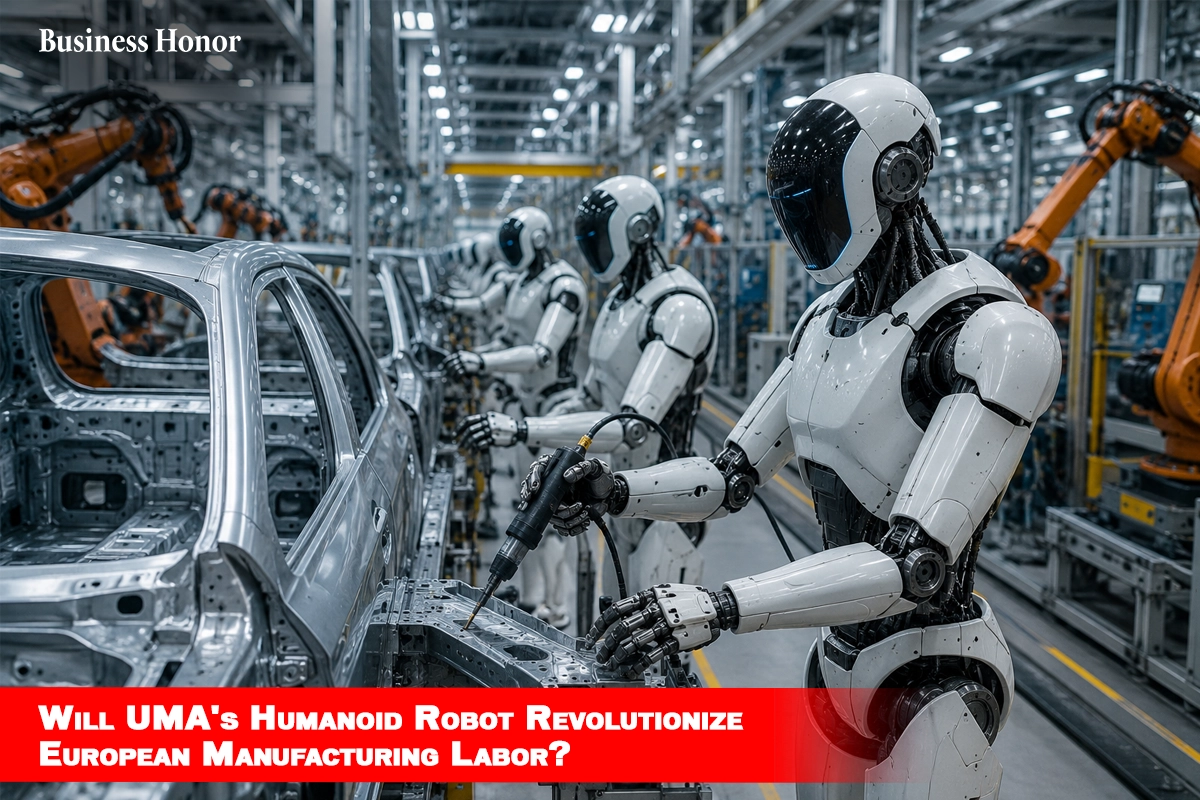
In a groundbreaking advancement for the automotive industry, humanoid robots equipped with artificial intelligence are beginning to reshape the landscape of car manufacturing. Traditionally dominated by robotics for decades, the introduction of AI-powered humanoid robots capable of learning on the job is set to bring a new level of sophistication to production lines.
Among the frontrunners in this technological revolution is Tesla, which introduced its humanoid robot, Optimus, in 2021. However, another major player, Figure—a California-based startup—has recently captured significant attention. Figure's latest creation, the 02 humanoid robot, has successfully completed a rigorous test program at BMW’s plant in Spartanburg, South Carolina.
Following the initial success of the 01 robot used for training purposes, the Figure 02 has demonstrated remarkable improvements, boasting enhanced computing power, superior cameras and sensors, and improved maneuverability. These advancements have enabled the 02 to undertake more complex tasks with greater precision.
During a trial that spanned several weeks, the Figure 02 robot showcased its capabilities by performing intricate tasks, such as inserting sheet metal parts into specific fixtures—a crucial step in assembling a vehicle chassis. BMW highlighted the robot's exceptional dexterity, which was essential for completing this production process.
While the tasks performed during the trial may seem basic, they represent the ideal application for AI-driven robots. These robots excel in handling low-skill, repetitive, and physically demanding tasks, which are often challenging for human workers. The Figure 02 robot, utilizing advanced neural networks, learns and refines its skills autonomously, paving the way for a future where such tasks can be executed without the need for explicit programming.












.webp)






.webp)

