

The Middle East is rapidly expanding renewable energy capacity while balancing oil and gas reliance.
The renewable energy capacity of the Middle East is increasing rapidly. Key contributors are companies such as EDF Renewables and Masdar. The major renewable projects have come online across the region in 2023, which include the Rashid bin Mohamed Al-Makhtoum Solar Park (Phase 5) and the UAE Wind Programme, according to the latest OPEX report by the Energy Industries Council. Solar power capacity has tripled from 3.4 GW in 2020 to now stand at 9.3 GW as of 2023. Onshore wind capacity has increased more than two-fold from 0.9 GW to 1.97 GW.
This positive growth trend is expected to continue, as countries like Saudi Arabia and Oman roll out national energy strategies such as Saudi Arabia's National Transformation Plan and Oman's Wind 2025. Masdar is at the forefront of the region's energy transition, including its involvement in the Masdar City Green Hydrogen Demonstration Project, which entered its first phase in 2023. The project is one of several aimed at decarbonizing the maritime fuel sector.
It also reflects an increased focus on carbon capture and hydrogen programs. In 2023, Saudi Arabia launched its second carbon capture facility and intends to bring four more onstream by 2024. Oman and Saudi Arabia are increasing their hydrogen work and are poised to be at the forefront of the global energy transition.
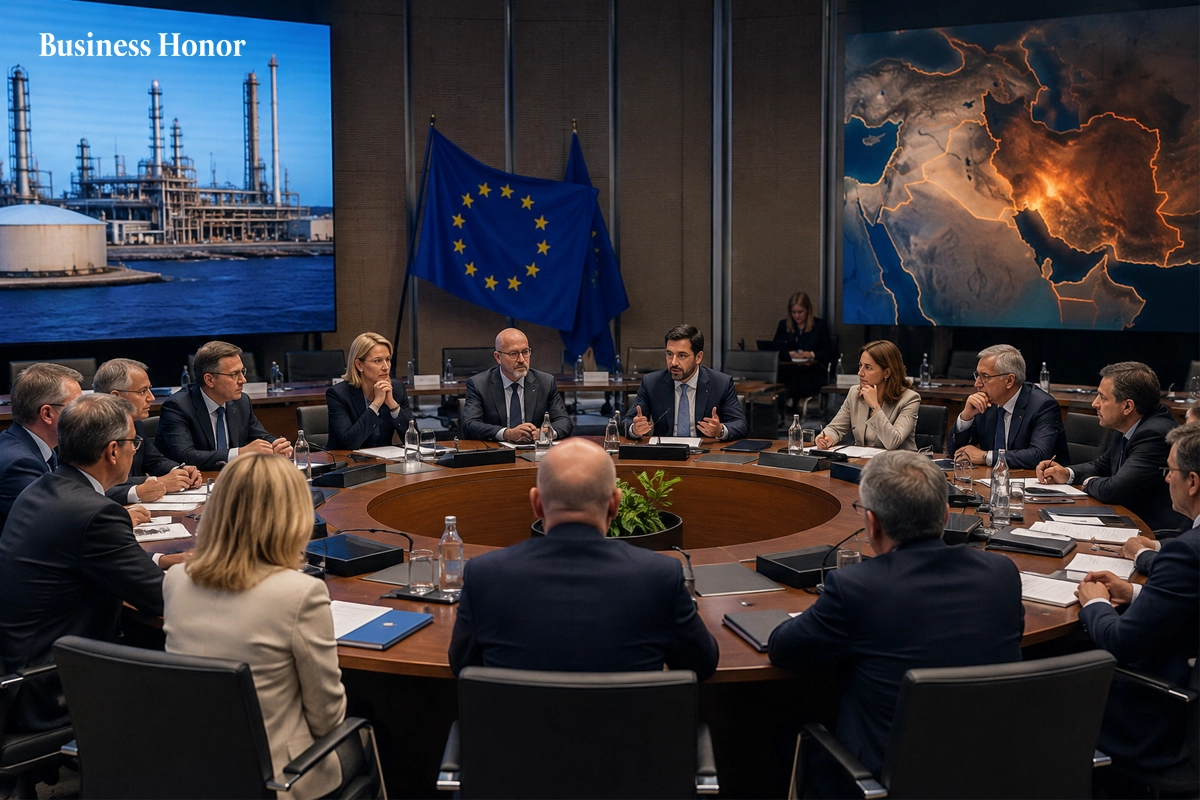
Despite these developments in renewable energy, the region is still very reliant on oil and gas. As of 2023, seven new oil fields are operational, mainly in the region, further consolidating its two-pronged approach to energy. Oil and gas projects will remain the major drivers of economic growth even as the growth in renewable energy picks up pace.


















.webp)

