
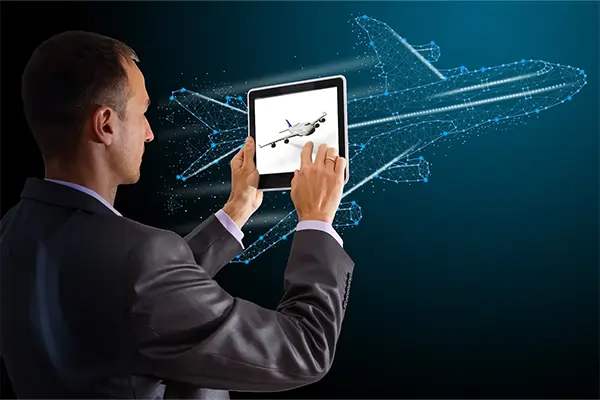
Air travel has become an important part of global connection in the modern era. A difficult network of devices works behind the scenes to make sure every flight is as safe and effective as possible. These systems are essential for air navigation, helping both pilots and air traffic controllers navigate the details of the skies. The tools that are powered by technology helps pilots and air traffic controllers safely and effectively navigate airplanes across airspace are referred to as mechanical systems. In order to provide actual information and decision assistance, these systems process and analyze a vast amount of data, ranging from weather and airspace restrictions to aircraft position and speed.
Flight Management Systems (FMS), Global Navigation Satellite Systems (GNSS) such as GPS, Automatic Dependent Surveillance-Broadcast (ADS-B), Terrain Awareness and Warning Systems (TAWS), and mechanical weather monitoring and forecasting tools are some of the major systems used in air navigation. Each of these makes a unique contribution to flights that are safer, smoother, and more effective. Let’s take a closer look at how these automated tools are changing the way we fly.
Navigation with Flight Management Systems and GNSS
The process of making sure the aircraft maintains the proper fly path while adjusting to changing conditions is one of the most important duties of a pilot. This process was once a laborious, human undertaking, but mechanical systems have made it more accurate and controllable. For example, modern aircraft direction finding is controlled by the Flight Management System. Numerous flight planning functions, including fuel management, speed optimization and route selection is controlled by it. The FMS receives the pilot's flight plan, determines the most efficient route, updates navigation data continuously and helps in controlling the aircraft's systems during the flight. This process reduces pilot workload significantly, allowing them to focus on monitoring the aircraft and making critical decisions when needed rather than manipulating huge calculations manually.
Aircraft can obtain exact location information through Global Navigation Satellite Systems, particularly the Global Positioning System (GPS). GPS provides pinpoint precision virtually anywhere on Earth, in contrast to conventional navigation techniques that depend on radio waves from the ground. Pilots can save time and fuel by travelling more directly between points as a result. Moreover, by accurately presenting the position, altitude and speed of the aircraft on cockpit displays, GNSS data improves situational awareness through continuous addition with other computerized systems.
The Impact of ADS-B
Automatic Dependent Surveillance-Broadcast, or ADS-B, is another development in air navigation. Air traffic controllers and other aircraft with ADS-B receivers may hear the location, altitude and velocity of an aircraft because of this actual surveillance technology. By increasing visibility, particularly in crowded airspace and isolated locations with little radar coverage, this technique has completely changed air traffic monitoring. More accurate aircraft tracking thanks to ADS-B allows controllers to safely and efficiently manage traffic flows. It lowers the chance of mid-air crashes by improving pilots' awareness of surrounding traffic.
Terrain Awareness and Collision Avoidance Systems
Aviation safety is still of greatest importance and these systems play a big part in this by offering features that assist pilots in preventing mishaps before they occur. The aircraft's altitude in relation to the surrounding terrain is continuously monitored by Automated Terrain Awareness and Warning Systems (TAWS). Pilots are given valuable seconds to respond and modify their flight course if the system promptly notifies them to possible collision hazards. Similar to this, collision avoidance systems lower the likelihood of mid-air collisions by alerting pilots about other aircraft on convergent routes using radar and ADS-B data.
Weather Monitoring
Climate conditions greatly influence flight safety and efficiency. Automated weather systems collect and analyze data such as wind speed, turbulence, temperature, storm activity and by presenting this information to pilots in a clear, actionable format. With this knowledge, pilots can make informed decisions about route changes, altitude adjustments, or delays, making sure passenger comfort and safety even during challenging weather.
Managing Crowded Skies with Automation
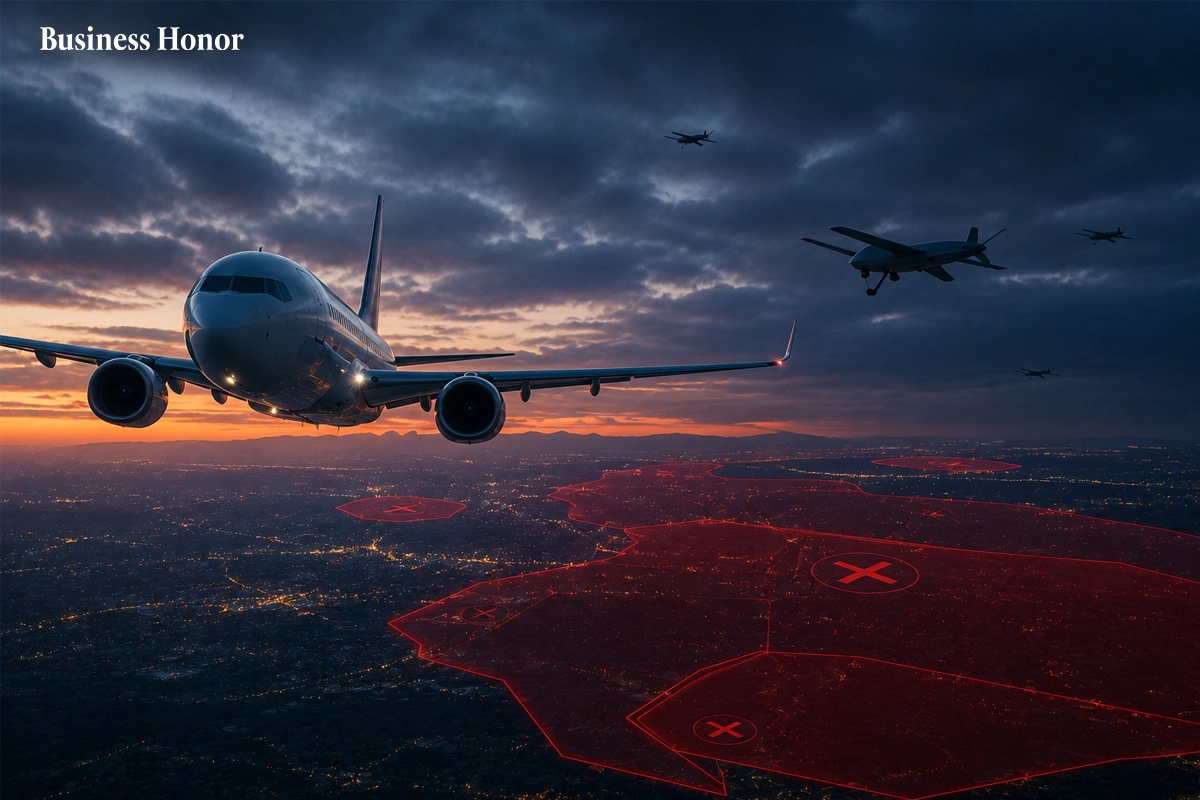
In addition to making individual flights easier, mechanized techniques are essential for managing the increasingly crowded skies. These technologies assist air traffic controllers in spotting possible conflicts early on by tracking the position and movement of several aircraft at once. By lowering needless fuel consumption, they can recommend different routes or elevation adjustments to avoid traffic jams and delays, which will benefit airlines, travelers, and the environment. When these technologies work together, traffic runs more smoothly and predictably, which lowers the possibility of holding patterns or emergency detours.
Challenges and Limitations of Automated Systems
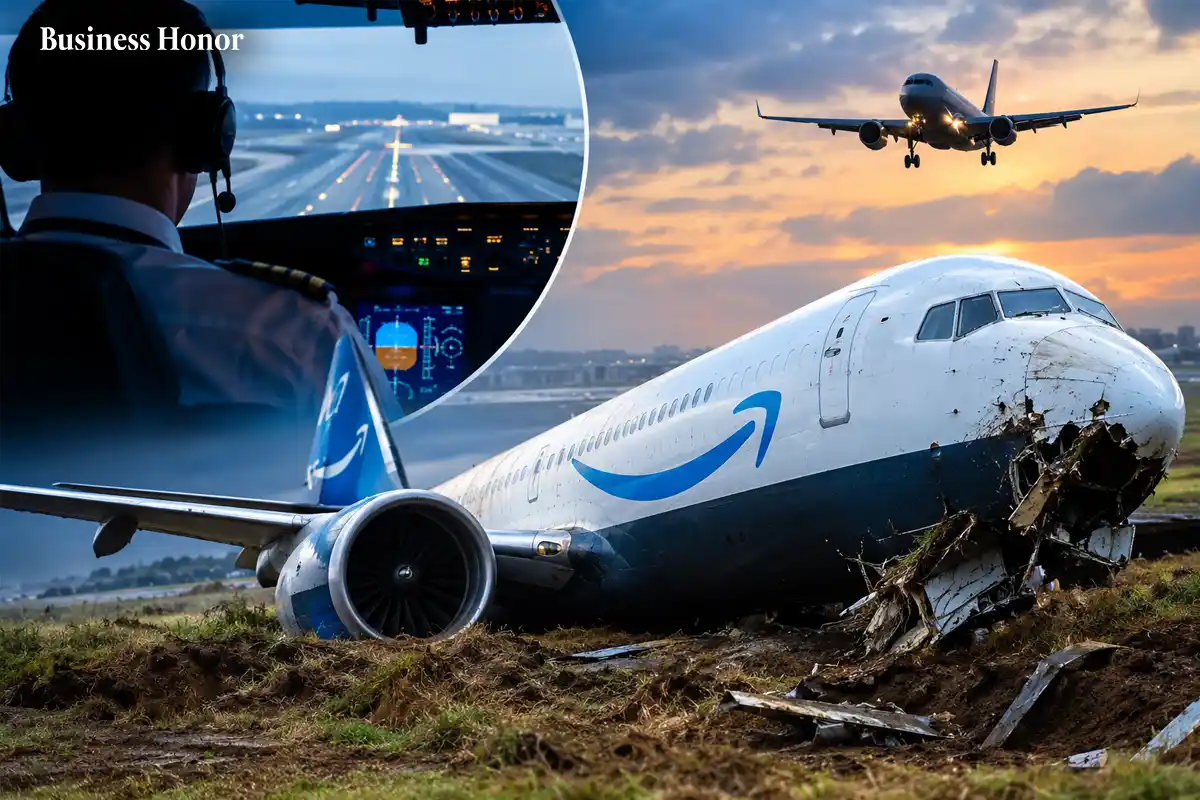
Although there is no denying the advantages of these systems for air navigation, there are drawbacks to their application. These technologies are inclined to the malfunctions and technological issues, just like any other technology. Pilots must be ready to change to manual control and depend on on their expertise and experience when these happen in midair. This shows how important it is for pilots to get ongoing training in both involuntary and conventional navigation techniques. Additionally, cyber security becomes a major worry as our reliance on digital technologies grows.
Flight safety may be compromised by hackers or unauthorized access to automated navigation systems. To improve security procedures and protect these essential systems, aviation authorities and industry stakeholders are always working. Making sure pilots keep situational awareness and avoid becoming unduly dependent on automation is another difficulty. Clear communication and efficient human-machine interaction are crucial for avoiding mistakes brought on by ignorance or complacency.
The Future
Automation in air navigation is evolving rapidly. The evolving technologies like artificial intelligence (AI) and machine learning promise to further improve navigation accuracy, predictive capabilities and safety. For example, AI could help improve flight paths in real time, considering changing weather, air traffic and other variables. Autonomous drones and urban air mobility vehicles will also depend heavily on advanced and robotic navigation systems are giving the way for new modes of air transport.
Adding it up
Air navigation has grown as a result of these automated devices, which have made a difficult task safer and more effective. From satellite navigation and flight management to actual surveillance and weather analysis, these technologies give pilots and controllers the means to safely maneuver aircraft through congested skies. Despite ongoing issues like technological malfunctions and cyber security threats, the aviation sector is pushing automation forward, making flying safer and more accessible than ever. Whether you're an aviation devotee or an aspiring pilot, knowing how mechanization affects air navigation shows how much contemporary technology influences every flight.












.webp)

.webp)




.webp)

