
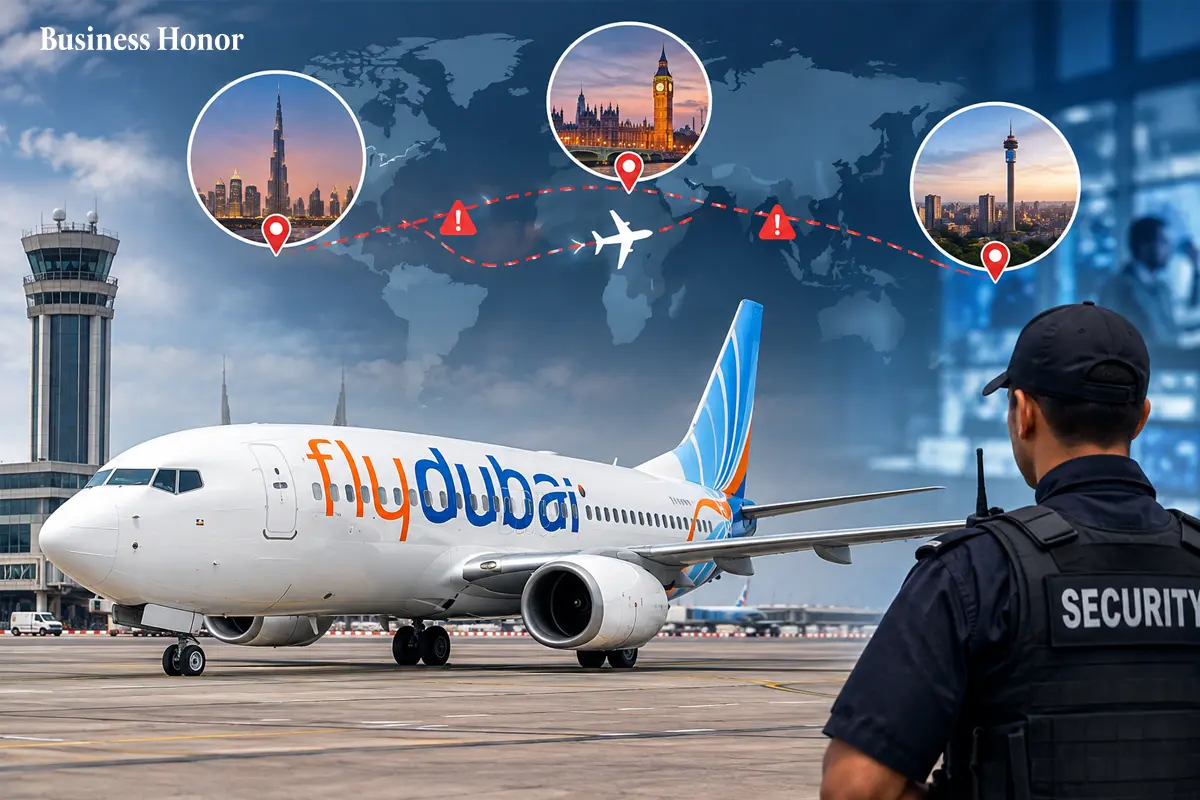
Security gaps across Oman, the UAE and Israel allowed a flydubai co-pilot to enter the cockpit and attack the captain during a Tel Aviv-bound flight.
|
There have been several security failures within Oman, the UAE and Israel, which almost led to a potential tragedy on board a flydubai flight. The flydubai security failure across three countries exposed gaps in how information about airline crew members is shared between authorities.
As the Wall Street Journal reported, Hamam al-Hammami had already been barred from flying in Oman because authorities were concerned about his online activity and interest in extremism. Al-Hammami had gone through a deradicalisation programme and was assigned to a desk job.
But those concerns weren't shared with flydubai before he joined the airline in February. Flydubai performed a criminal background check, but it didn't reach out to Oman to find out about his previous flying experience.
Oman Warning Did Not Reach Flydubai
There was no official revocation of al-Hammami's pilot licence in Oman. Sources close to the case revealed that doing so would have alerted UAE authorities to the concerns about him.
Al-Hammami flew the Tel Aviv route on several occasions.
Israel Also Missed Security Concerns
Israel requires airlines to submit passenger and crew lists before a flight lands at the airport. In this case, flydubai submitted the crew list for Flight 1073, but the Israeli transportation ministry said that it did not have the authority to screen the flight crew.
Additionally, the transportation ministry had not requested access to the database established in 2023 to check information about passengers and crew.
The case has raised questions about aviation security gaps on Tel Aviv-bound flights, including how foreign crew members are screened.
Co-Pilot Attacked Captain during Flight
Al-Hammami attacked Captain Smit Machchhar with an emergency axe after leaving to pray during Flight 1073. The injured captain managed to open the cockpit door, allowing other people to rush in and overpower the co-pilot.
According to the UAE attorney general, the attack was classified as an attempted terrorist act. Whether al-Hammami acted alone is under investigation by Saudi Arabia, the UAE and Israel. People familiar with the investigation said there were no links to any foreign government or major terrorist organisation.
Israel has revised its security measures for foreign aircraft.
Why This Matters
This example clearly demonstrates how a lack of communication among aviation authorities can lead to serious security problems. Business Honor observes that the case has renewed attention on crew screening and information sharing across countries.
FAQs
What was the flydubai security failure?
The flydubai security failure involved gaps in information sharing and crew screening across Oman, the UAE and Israel.
Why was the flydubai co-pilot previously removed from flying duties?
Omani authorities had raised concerns about his online activity and interest in radical ideology and removed him from flying duties.
What happened during flydubai Flight 1073?
The co-pilot attacked Captain Smit Machchhar with an emergency axe. The captain opened the cockpit door, allowing passengers to help overpower the co-pilot.
How did the security failures involve Israel?
Israel received the flight's crew information but did not use its available database to screen the foreign crew member, according to the Wall Street Journal investigation.
Was the incident treated as terrorism?
The UAE attorney general described the incident as an attempted terrorist act. Investigators are examining whether the co-pilot acted alone.




































.webp)

.webp)




.webp)



Comments
0 Comments