
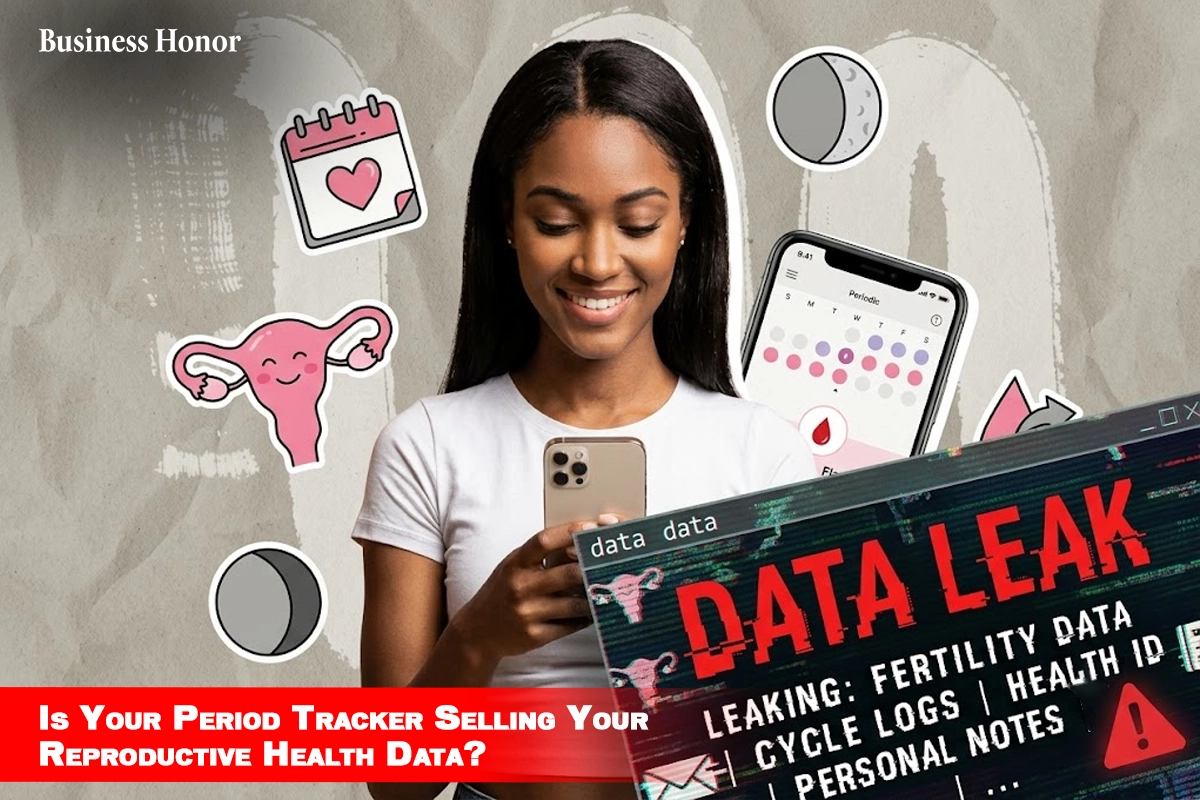
Period tracker app Stardust faces backlash after Mozilla discovers it shares sensitive reproductive health data with third parties.
|
A popular period tracker application has come under scrutiny after Mozilla researchers discovered it was sharing users' sensitive reproductive health information with a third-party analytics company, directly contradicting the app's privacy assurances to its user base.
Stardust, which prominently advertises, "Your data is private. Period" on its website, was found to be transmitting detailed health records to RudderStack, an analytics firm. The shared data included users' birthdates, birth control types, reproductive goals, and specific menstrual symptoms, each tied to a unique identifier rather than a person's actual name. Shoshana Wodinsky, a security researcher with Mozilla, discovered this practice while reviewing network traffic from six other menstruation-tracking applications, and that Stardust was the only one of those applications tested that directed other applications to share users' data with its data onboarding service.
This find can further add to the already existing worries regarding privacy practices of health applications. Companies claim that they share users' information with third parties for analytics and storage; however, security professionals fear that such behavioral patterns may create vulnerabilities for users. Data breaches and unauthorized access may create problems for users of sensitive health data that large companies are collecting. The spokesperson for Stardust has attempted to explain the situation to users in terms of data collection by RudderStack, claiming that the latter “does not have the power to sell or use this data for its objective.”
This is not the first time the company has been criticized regarding its privacy claims. In 2022, when the U.S. Supreme Court concerning abortion rights released the decision, the download rate for the application increased significantly. Following this incident, the TechCrunch resource made an investigation into the claim of Stardust regarding the use of end-to-end encryption, which would allow no one but the users themselves to access their data. The new results published by Mozilla show that the privacy problems still exist in the app. Rachel Moranis, the co-founder of Stardust, did not answer the questions regarding the criticisms raised against the company. In contrast to the representative, who stated that the company received questions, but could not explain whether it has received requests from law enforcement institutions concerning user data privacy.
Among the applications tested, Mozilla recommended Euki as the privacy leader, noting it demonstrated no data sharing with third parties for its core features and kept user health information stored solely on users' devices. For consumers concerned about reproductive health privacy, the research underscores the importance of thoroughly vetting applications before entrusting them with sensitive personal information.
Business Honor views that Stardust's data-sharing practices represent a fundamental breach of stated privacy commitments to users.














.webp)

.webp)




.webp)


Comments
0 Comments