
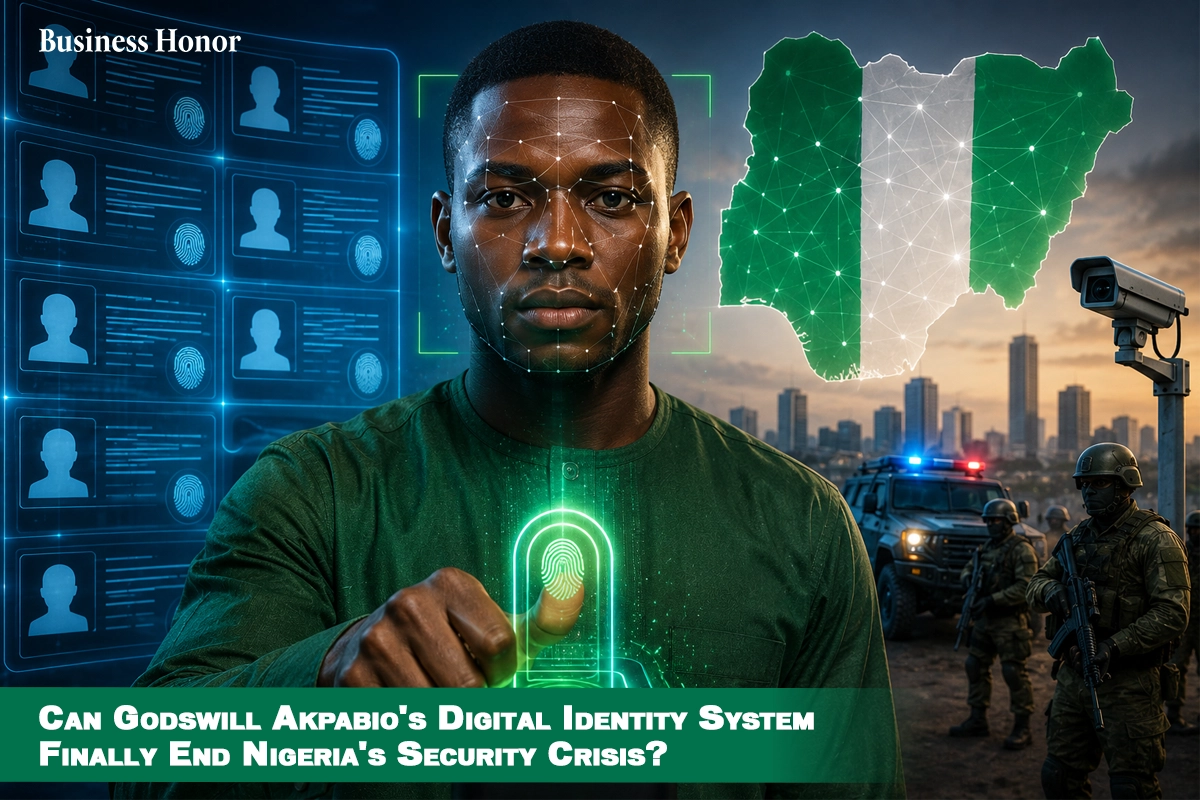
Godswill Akpabio credits integrated NIMC database with apprehending terror suspects at Nigerian borders.
|
Nigeria's newly enacted integrated national identity system is delivering measurable security dividends, with authorities successfully identifying and apprehending suspected terrorist operatives through synchronized government databases. Senate President Godswill Akpabio disclosed this development following President Bola Tinubu's signing of the repealed and re-enacted National Identity Management Commission (NIMC) Bill into law at the State House in Abuja on Friday. Akpabio highlighted a recent security success, noting that the integration of the NIN Nigeria database with the Ministry of Interior's digital platforms enabled agencies to identify terror suspects attempting entry into the country. "When they landed, they just put their names on the computer; it brought out that these are criminals, and they arrested them."
|
Akpabio stated, “Just last week, we were able to apprehend terrorist chiefs who were coming in from Saudi Arabia, in Katsina," |
Nigeria's new law is an important update of the country's digital identity system. The new identity system will strengthen Nigeria's national security system, will help improve border control, and will enable Nigeria to better plan for its economic future. Akpabio, said that the reform of the identity system is also necessary because the existing identity law has not updated in almost 20 years, despite rapid advances in digital technology since 2003. The new digital identity framework will bring Nigeria in line with international standards for managing identity and for creating digital security protocols.
Minister of the Interior, Olubunmi Tunji-Ojo pointed out that the NIMC (National Identity Management Commission) is already achieving results from integration efforts made between NIMC and other ministries. He added that the presidential approval of the bill comes at a time when the NIMC has made significant improvements to Nigeria's identity management infrastructure.
Akpabio defended the National Assembly against allegations that the bill was being rushed through the legislature because of political pressures. He stated that members of the National Assembly spent over two years conducting extensive public and stakeholder consultations, conducting public hearings and reviewing international best practices prior to the passage of the bill. “We did not work quickly on this. We have always taken the time to ensure that we are creating legislation that will be around after we have passed on,” said Akpabio.
The Senate President articulated the broader implications of the reform, noting that the integrated identity system would strengthen multiple sectors. "This will improve digital awareness in Nigeria, will help in the economy, will help in infrastructural planning, will help in immigration and migration," he said. "At the end, I believe that Nigeria will be better for it." Akpabio positioned the legislation within the Tinubu administration's wider security reform agenda, which includes proposals for state policing implementation. He underscored the urgency of modernizing Nigeria's security apparatus, pointing to persistent insecurity despite 66 years of conventional approaches.
|
The Senate President stated, “We have done the same thing for 66 years, but the result is continuous insecurity in the country. So it's important that we all work together for the benefit of all Nigerians." |
The integration of Nigeria's identity databases represents a technological shift toward prevention-based security strategies, enabling real-time identification of individuals flagged by intelligence agencies and demonstrating how digital infrastructure investments can directly enhance national defense capabilities.
Business Honor is of the view that Godswill Akpabio's integrated identity system represents strategic advancement in Nigeria's operational security and border management capabilities.
FAQs:
Q: What is the NIMC Bill that President Tinubu signed?
A: Legislation modernizing Nigeria's national identity management system after 19 years unchanged.
Q: How has the integrated identity system helped catch terrorists?
A: It enables real-time identification of suspects when they enter Nigeria's borders.
Q: Did the National Assembly rush this legislation through parliament?
A: No, lawmakers spent nearly two years on consultations and international research.
Q: What other benefits does the new identity system provide?
A: It improves economy planning, border control, migration management, and digital infrastructure.
Q: Is Nigeria now aligned with global identity management standards?
A: Yes, the reform brings Nigeria to par with international digital identity practices.






































.webp)

.webp)



.webp)



Comments
0 Comments