
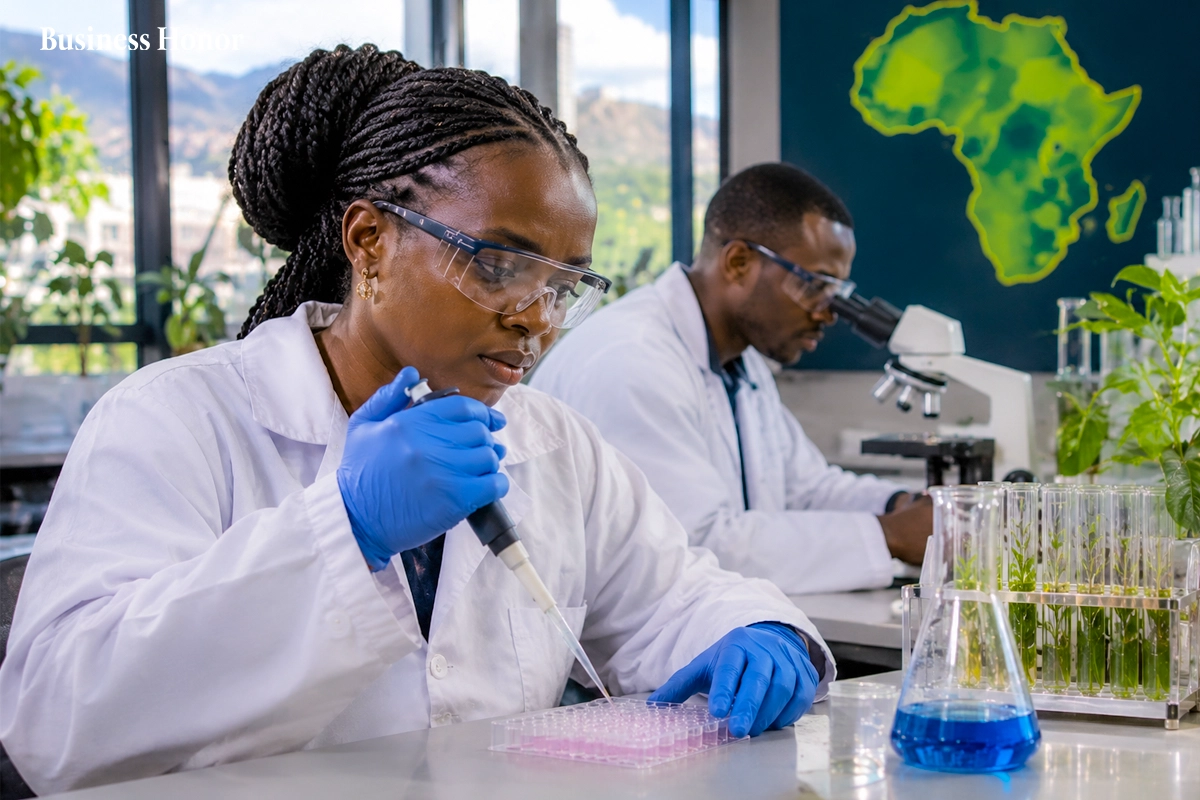
Top African Biotechnology Companies to Watch in 2027 are focusing on a wide range of areas including healthcare, agriculture, pharmaceuticals and life sciences. African biotech companies are working to develop innovative medical technologies, increase the resilience of crops and make diagnostic tools more accessible.
Africa is seeing an increase in its biotechnology industry, with companies such as Biovac and Afrigen Biologics focusing on vaccine development and mRNA research. Yemaachi Biotech focus on cancer research and precision medicine, BioCertica works in biotechnology and genetic research and Cape Bio Pharms create plant based proteins and diagnostics. These companies are helping to develop Africa’s biotechnology industry and meet local healthcare needs.
Growing Biotechnology Industry in Africa
With more companies looking at how biotechnology can be used to create innovative products, many startups and established organisations have been investing in biotech. This includes sectors such as healthcare, agriculure, pharma and food production. Companies within these sectors include developing new medicines and vaccines, or improving ways to grow crops and produce beneficial biological substances. Many of these companies will partner with research organisations and other industry partners to help take their scientific discoveries and turn them into products.
Biotechnology and its Role in Important Industries
Biotechnology plays a crucial role in various industries such as healthcare, agriculture, pharmaceutical and manufacturing. In healthcare biotechnology assists companies with developing new vaccines, better diagnostic techniques and new treatment methods. In agriculture biotechnology is used to improve quality of crops, protect crops from pests and develop new strains that are hardy. Biotechnology is used by pharmaceutical companies to develop new drugs.
Biotechnology Companies Solving Issues in Africa
Many biotechnology companies in Africa are working on issues which impact on the local population. Companies are developing methods to protect against infectious diseases, increase access to drugs, combat food insecurity and reduce the cost of healthcare. Some have developed vaccines and diagnostic tools while others are researching improved crop varieties and new medical treatments.
Why We Chose These Companies
We chose to highlight these companies due to their involvement in the biotechnology industry, innovation through research, products and their contribution to the industry in Africa. As well as looking to solve issues within Africa.
Important Areas of Biotechnology in Africa
This industry spans across many areas including vaccine creation, genomics, drug research, agricultural biotechnology, diagnostics, precision medicine and bio manufacturing. This creates new opportunities for research and development across Africa.
Top African Biotechnology Companies
1. Biovac
Founded: 2003 I Team Size: 350-680 Employees I Headquarters: Cape Town, South Africa
Biovac is one of the companies ranked in Business Honor’s Top African Biotechnology Companies to Watch in 2027. Biovac is a vaccine manufacturing and biopharmaceutical production company that was established in 2003 and has head office in Cape Town, South Africa. The company strives to strengthen local production of vaccines within Africa. Using investments and public private partnerships, including funding from the European Investment Bank, they are strengthening their manufacturing capacity. This helps Africa increase its vaccine production.
2. Afrigen Biologics
Founded: 2014 I Team Size: 148 Employees I Headquarters: Montague Gardens, Cape Town, South Africa
Afrigen Biologics is a Cape Town based biotech company specialising in mRNA technology, development of vaccines and manufacturing. The company was founded in 2014 and works to develop mRNA vaccines while developing local skills in manufacturing. This company also helps with technology transfer by sharing knowledge with other countries. They have joined a WHO supported mRNA technology transfer programme to help many more countries develop their own vaccines. With an increasing number of biotechnology companies in Africa they stand out by working to decrease their reliance on imported vaccines while improving access to locally made medical products.
3. Yemaachi Biotech
Founded: 2020 I Team Size: 11-50 Employees I Headquarters: Accra, Ghana
Yemaachi Biotech is a Ghana-based Cancer research, Genomics and Drug Discovery Company. They aim to understand cancer better and improve diagnosis and treatment through the analysis of genetic data from African populations. They largely focus on under-researched populations. They also aim to improve local research and diagnostic facilities. This contributes to the research in the biotechnology field in Africa by providing scientists with more information on cancer within African populations and improving treatment options.
4. BioCertica
Founded: 2019 I Team Size: 11-50 Employees I Headquarters: Paarl, Western Cape, South Africa
BioCertica is a South African company that provides genetic testing and bespoke DNA reports. This includes analysis of polygenic risk scores (PRS), to help users understand any genetic variation they carry and therefore understand their risk for certain diseases. The company also provides insight into how your genetics can affect your diet, exercise and overall health. An area of focus is African genetic diversity, something that has been little explored in much global research. BioCertica develops testing methods that take this diversity into account, helping address gaps in genetic research. Its work also adds to biotechnology research in Africa by bringing more attention to the genetic makeup of African populations.
5. Cape Bio Pharms
Founded: 2018 I Team Size: 11-50 Employees I Headquarters: Cape Town, Western Cape, South Africa
Cape Bio Pharms is a biotech company located in Cape Town, South Africa. The company produces protein products using plants (especially Nicotiana benthamiana) for medical research, testing and other healthcare applications. This provides an alternative method for producing proteins. They develop products like antibodies, enzymes and many other biological substances to be used by researchers. By using plant-based expression methods it can decrease the costs and help scale production. Its work adds to the growth of industrial biotechnology in Africa, particularly in the production of biological materials for healthcare and research.
Business Honor observes that Africa’s biotechnology sector is making steady progress as more companies invest in research and local production.
FAQs
Which are the top African biotechnology companies to watch?
Some notable companies include Biovac, Afrigen Biologics, Yemaachi Biotech, BioCertica, and Cape Bio Pharms. They work across vaccine production, genetic research, cancer treatment, and plant-based biotechnology.
How are biotechnology companies in Africa contributing to healthcare?
They are developing vaccines, genetic testing services, diagnostic tools, and new approaches to medical research. Their work also aims to improve access to healthcare across the continent.
Why is biotechnology research in Africa gaining attention?
Research in Africa is attracting interest because of its potential to address local health challenges, improve disease diagnosis, and provide better information about African genetic diversity.
What role does industrial biotechnology play in Africa?
Industrial biotechnology supports the production of biological materials, medicines, enzymes, and other useful products. It also creates opportunities for local manufacturing and research.
What are the main challenges facing Africa's biotechnology industry?
Limited research funding, manufacturing facilities, skilled workers, and access to advanced technology remain key challenges. Better investment and international partnerships could help companies expand their work.













































.webp)


.webp)



Comments
0 Comments