
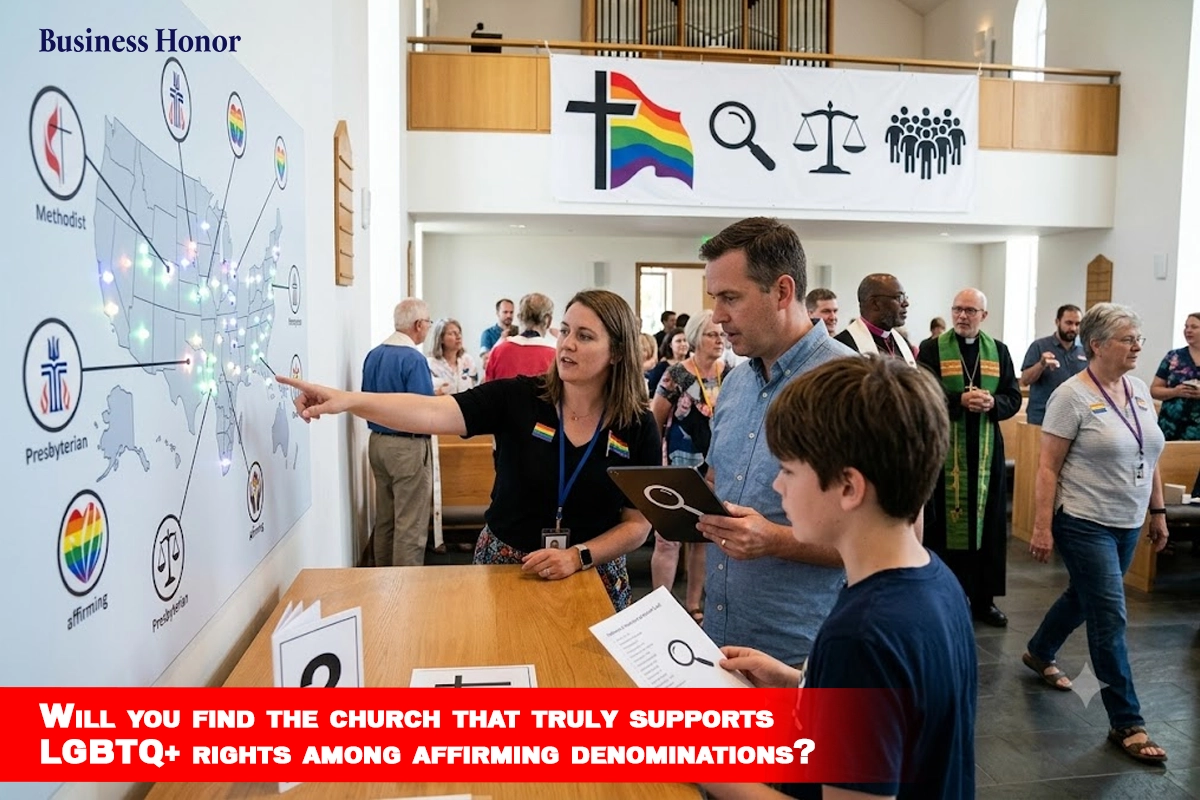
Study finds affirming denominations separate true welcome from doctrine that burdens LGBTQ+ worshippers.
|
A new report from the United States has come into the spotlight regarding the affirming denominations and perspectives of Christian organizations on LGBTQ+ issues. Researchers analyzed 20 types of American churches and organized them based on their attitude towards LGBTQ+ rights. They paid special attention to how much the organizations can be associated with the value of “Loving thy Neighbor as Yourself.”
The report also clarified that representatives of LGBTQ+ community have a lot in common with other Americans. Most people in this community believe in the existence of soul and higher power and feel awe when looking at nature, among other things explained in the report. However, the findings show that there is now a greater level of discontent with religions. This points out its shortcomings in the form of missing such identities as transgender, non-binary, pansexual, and the rest. The report also discusses how in the present time, fewer and fewer LGBTQ+ adults feel affiliations with church.
Another guide addresses various denominations that are either affirming towards the LGBTQ+ community or are restrictive in matters of marriage, adoption, and gender identity. Consequently, the ranking indicates a continuum from which congregations perform same-sex marriage and endorse equalification, to conservative groups that are against anything LGBTQ+ within the core matters of sacraments and civic life.
Apart from doctrines, the guide highlights previous findings about the experience of LGBTQ+ individuals leaving Christianity mainly because of bullying and stigmatization, whereas others have remained in Christianity but have struggled with what has been defined in their lives versus the church's expectations. In the end, the guide addresses LGBTQ+ support in both theological and deeply personal terms.
Business Honor views LGBTQ+ rankings show affirming denominations offer belonging, while others quietly reject rights and relationships.





















.webp)


Comments
0 Comments