Thursday, October 22, 2026
Business Honor
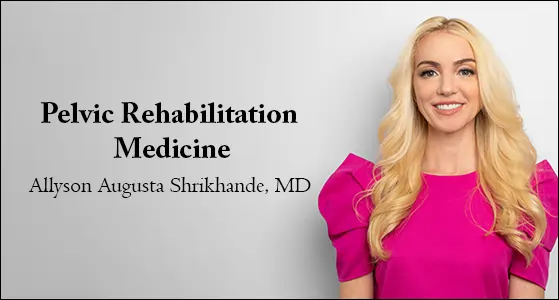
Pelvic Rehabilitation Medicine (PRM) is transforming how chronic pelvic pain is diagnosed and treated. Founded by Dr. Gautam Shrikhande (CEO) and Dr. Allyson Augusta Shrikhande (CMO), a former pelvic pain patient dealt with postpartum pelvic pain and pelvic floor dysfunction. She was offered a range of treatment options—most of which failed, while others posed unnecessary risks, such as radiation-based therapies.
For many pelvic pain patients, when they are believed, the solutions often include costly surgeries, opioids, hormones, or dismissive suggestions like “a glass of wine.” Dr. Ally was told her tests looked normal, but she refused to accept that as the end of the road. Determined to find a better way, she helped develop the PRM Protocol™—an approach focused on treating a silent disease process and addressing the nerves and muscles at the root of pelvic pain.
Expanding access to this care across the country is the mission of PRM. With 14 clinics in 10 states and over 15,000 patients served annually, PRM is expanding access to life-changing pelvic pain care nationwide. In recognition of its innovative, multidisciplinary approach, PRM was honored with the 2025 Patient-Centered Clinical Innovation Award. Their mission is clear: Helping patients reclaim their lives through this protocol is her core mission.
Interview Highlights
Can you provide a brief overview of the main treatments included in PRM Protocol™?
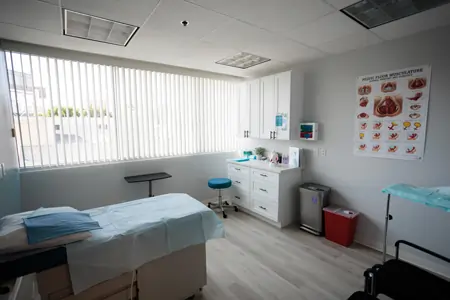
The PRM Protocol™ is a proprietary, patented, and straightforward office-based procedure designed to address the symptoms of chronic abdominal and pelvic pain. It targets the underlying causes—specifically inflamed pelvic nerves and spastic pelvic muscles—that are often at the root of the condition.
The PRM Protocol™ works to relieve pelvic pain by:
What makes PRM’s treatment stand apart from the usual methods that only manage symptoms of chronic abdominal pelvic pain?
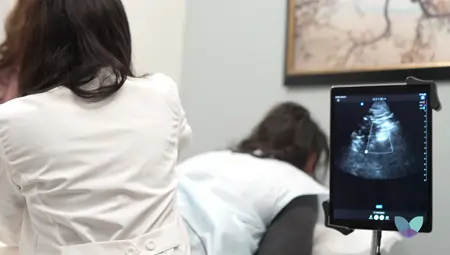
The key advantage of PRM’s treatment is its improved safety, made possible by ultrasound guidance that allows exact visualization of needle placement. In addition, with the use of extremely small-diameter needles improve safety and patient comfort.
The PRM Protocol™ stands ahead from other pelvic floor injections, such as Botox, that temporarily paralyze the muscles. Instead, by creating space around the pelvic nerves, PRM reduces inflammation and supports the recovery of proper function of the nerves and muscles.
How does PRM work to reduce the total number of surgeries that endometriosis patients need to undergo during their lifetime?
PRM aims to lower the number of treatments endometriosis patients need during their lifetime. As endometriosis is a systemic, inflammatory disease, it is important that patients learn about their issue, how it affects their body and the discomfort and symptoms they might experience. For improved experience the patients are allowed to communicate directly with experienced excision surgeons and pelvic pain experts in the PRM Center of Excellence. This collaborative approach along with the improved surgical results it also offers patients to understand their issue, how it affects the pelvic floor, and how to deal with it.
Pre-Hab: By treating symptoms like constipation, bladder pain, pelvic floor inflammation the body prepares for excision surgery through pre-habilitation. Before surgery, patients at PRM get the PRM ProtocolTM, that improves pelvic floor function and reduces pain.
Excision Surgery: Laparoscopic excision surgery is the standard for treating endometriosis that involves the removal of endometriosis lesions. PRM’s Center of Excellence ensures patients are treated by expert excision surgeons with long-experience in handling complex cases.
Post-Hab: After surgery Post-habilitation helps in managing lingering inflammation and comorbidities. Because endometriosis is highly inflammatory, ongoing treatment with the PRM Protocol™ is important not only immediately after surgery but also as needed over time.
PRM is well aware how endometriosis pain extends after the lesions and how it affects the pelvic floor. By treating endometriosis-induced ongoing contractions of the muscles and nerve inflammation, the PRM ProtocolTM addresses this secondary pain. By relaxing muscles and inflamed nerves, this method reduces pain and discomfort, improving the patient’s quality of life.
How can PRM help manage or avoid the risk of endometriosis recurring after surgery, and what should patients expect during the recovery phase after endometriosis excision surgery?
No method that can completely avoid endometriosis recurrence, but there certain techniques which may increase the time between recurrences. Complete rehabilitation after surgery is mentioned by PRM in order to improve patients' standard of life and reduce the risk of recurrences. As endometriosis wholly depends upon estrogen, hormonal therapies play an important part in managing and preventing recurrence. Reducing the body's levels of free estrogen, these medications avoid the formation of endometriosis tissue, reducing inflammation and pain. Supporting a healthier, inflammation-free pelvic environment, aiming to reduce lesion growth and promote long-term wellness for the patients.
How does PRM use the latest research and technology to be at the center of treating endometriosis and pelvic pain?
PRM has established its own Clinical Advisory Board, with national leaders across multiple specialties, in order to advance the field of pelvic pain through research, discussion, and collaboration. PRM team is deeply dedicated to PRM’s goal of developing progress in pelvic pain care. We dedicate significant resources to research, quality initiatives, and creating a national pelvic pain data registry in the states we serve. PRM leads in data collection and regularly publishes outcomes from our office-based procedures, with our physicians presenting at national conferences and Grand Rounds. We also proudly support the Endometriosis Summit, uniting patients and providers in shared learning.
Allyson Augusta Shrikhande, MD
Allyson Augusta Shrikhande, MD is a board-certified Physical Medicine and Rehabilitation specialist, Chief Medical Officer of PRM, and an expert in women’s and men’s health and sexual health. A leading expert on pelvic health and a respected researcher, author, and lecturer, Dr. Shrikhande is a recognized authority on female and male pelvic pain diagnosis and treatment.
Dr. Shrikhande is passionate about this cause and dedicated to helping women and men with pelvic pain who often suffer without anyone willing to listen, understand, or find the cause. She has traveled the world to work with expert gynecologists, urologists, physiatrists, and interventional pain physicians. Dr. Shrikhande has distilled this global expertise into an office-based, cutting-edge approach to treating pelvic pain and pelvic floor muscle dysfunction.
Dr. Ally has published many peer-reviewed articles and actively speaks at conferences, hospitals, nonprofits, and mom’s groups to raise awareness and share outcome data. She is heavily involved in the International Pelvic Pain Society.































.webp)

.webp)



.webp)